The Center for Psychedelic Space
Mapping the possibilities of consciousness.
An independent research and practice centre in Amsterdam exploring how consciousness can be revealed, transformed and navigated — through psychedelics, yoga, meditation, philosophy and science.
Why we exist
Consciousness can change profoundly. We need better maps.
Psychedelics, meditation, yoga and other transformative practices can reveal possibilities of mind that ordinary experience keeps hidden.
But having an extraordinary experience is not the same as understanding it.
The Center for Psychedelic Space exists to develop better ways of understanding these transformations — and to help people navigate them with greater clarity, care and wisdom.
What we do
Research. Practice. Navigation.
Research
We study the structure and transformation of consciousness, bringing together philosophy, psychology, neuroscience and contemplative traditions.
Practice
We investigate methods for exploring consciousness directly — including psychedelics, yoga, meditation and emerging technologies such as AI.
Navigation
We translate what we learn into practical maps and methods that help people understand extraordinary experiences and create meaningful change.
Research informs practice. Practice raises new questions. The map keeps evolving.
The research
Where the map comes from.
CPS began with a question: is psychedelic experience an unstructured collection of unusual states, or is there an underlying structure to it? The work so far, step by step.
2023 · Oxford University Press
Psychedelic Experience: Revealing the Mind
Aidan Lyon’s book recovers the original sense of “psychedelic” and introduces psychedelic space: a way to place any mind-revealing experience — pharmacological, meditative or spontaneous — on shared dimensions, so experiences reached by very different routes can be compared.
The conceptual foundation
Completed 2025 · John Templeton Foundation
The Mystical Entropy project
Developed PEACE, a method for turning what contemplative traditions know through practice into claims science can test, with the late Prof. Anand Vaidya. Its first test: language models read first-person trip reports to see whether the yogic chakra structure would surface in accounts by people who had never used its vocabulary. It did.
Suggestive, not conclusive
2026 · Philosophical Psychology
The Psychedelic–Kuṇḍalinī Thesis
The map the method draws: the chakra system read not as metaphysics but as a description of how attention organises itself. In the report analysis, substances sorted along the traditional ascent — stimulants into drive, MDMA at the heart, LSD and DMT in the upper, visionary centres.
A correspondence in how experience is shaped, not a claim that chakras are organs
2026 · Working paper
A first look in the brain
Two expert practitioners entered four meditative states in an fMRI scanner. Each meditation reshaped brain activity in the order the yogic tradition describes — a pattern that doesn’t match breath, movement or arousal.
A calibration, not a result
Next
A pre-registered study with twenty to thirty experienced practitioners, where the correspondence is either confirmed or fails honestly.
The research develops the map. Coaching teaches you to navigate with it.
Work with us
Psychedelic coaching
There is a map of psychedelic space. We teach you how to navigate it.
For people preparing for an experience, making sense of something profound, integrating change, exploring consciousness, or simply trying to understand where they are and where they want to go.
Consulting
Expert advice on psychedelics, consciousness, and contemplative practice — for practitioners, educators, and organisations.
How we think
Experience and rigour belong together.
Experience matters.
Some things about consciousness become visible only when consciousness changes.
Rigour matters too.
Powerful experiences can reveal something important without every interpretation of them being true.
Maps, not religions.
We build models to help us navigate experience — and change them when reality disagrees.
The Center
Built from research. Tested in experience.
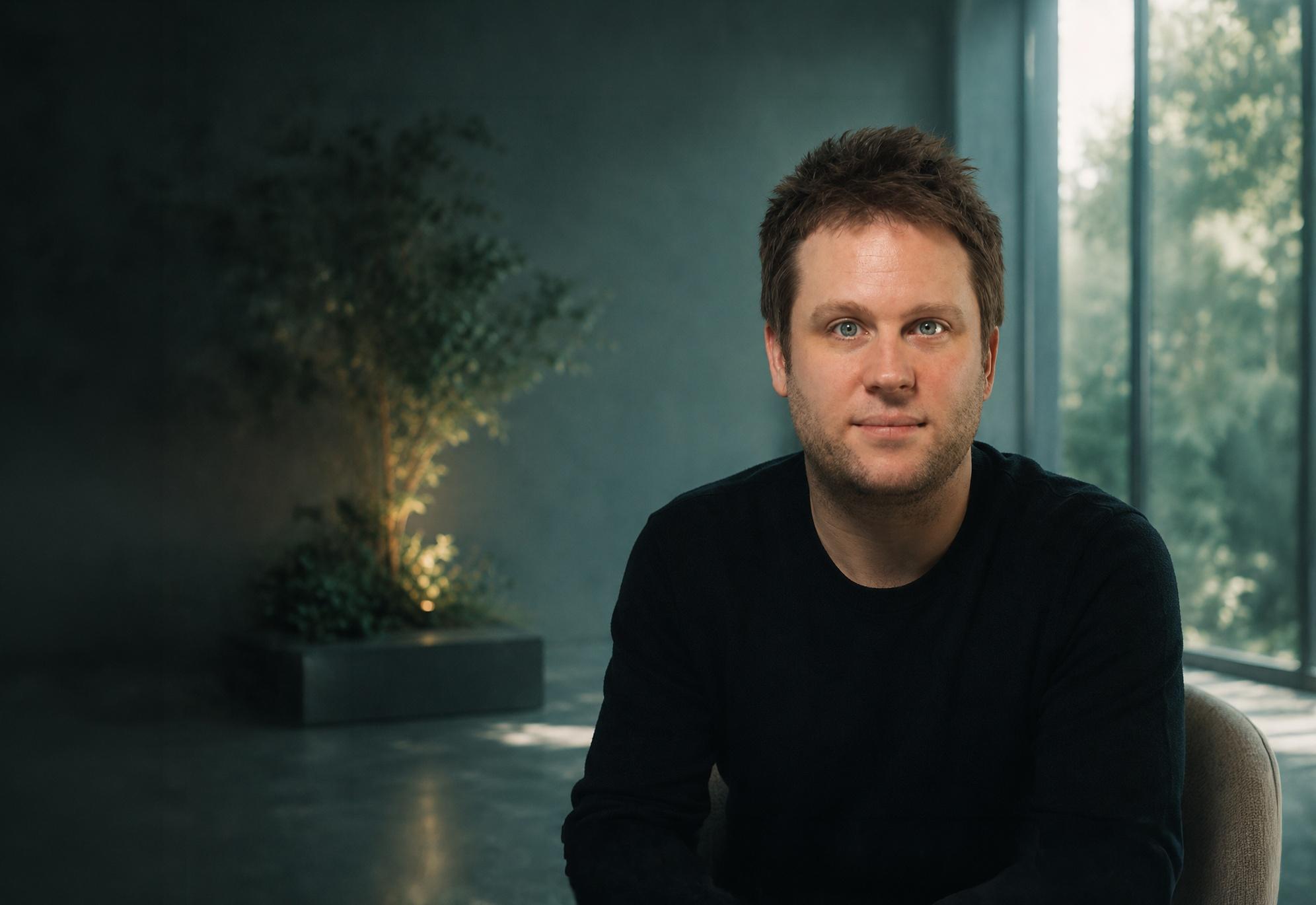
The Center for Psychedelic Space was founded in Amsterdam by philosopher and consciousness researcher Dr Aidan Lyon.
Its foundations grew from more than two decades of work across philosophy, psychology and contemplative practice, including Psychedelic Experience: Revealing the Mind (Oxford University Press, 2023).
It exists because the map he needed, to make sense of experiences that were plainly significant and hard to place, didn’t exist yet.
CPS is independent: no university department and no venture capital behind it. The questions are set by the work, not by a funder’s priorities.
Start where you are.
You don’t need to have had a psychedelic experience. You don’t need to know exactly what you’re looking for. If you’re exploring consciousness, navigating change, or trying to understand something that happened, we’d be glad to hear from you.
Amsterdam · Online worldwide